
There is a concept in social psychology called naïve realism, a cognitive bias that leads us to believe our own perception of the world is objective reality while those who see things differently must be uninformed, irrational, or biased. When we disagree with someone, we rarely think we interpret the same situation differently. Instead, we often assume there is something wrong with the other person’s perspective.
The truth is that none of us experiences reality directly. We see it through the lens of our experiences, assumptions, and beliefs. And so does everyone else. Recognizing this does not weaken our convictions. Rather, it invites humility, curiosity, and a greater capacity for understanding.
In my work at the Foundation, I have been thinking a great deal about culture and community. Over the past several months, we have welcomed several new colleagues, making our staff the largest team in our history: twelve dedicated professionals. We have invested in training, professional development, flexibility, benefits, compensation, and, importantly, a culture of direct and constructive feedback.
Any growing organization faces challenges. New team members bring fresh perspectives, different communication styles, and new ways of working. My approach has been to encourage respectful dialogue, address concerns directly, and assume positive intent. Strong cultures are not built by accident. They require ongoing attention, trust, and a shared commitment to one another.
This idea was reinforced recently by a friend from my family’s time outside Texas during the pandemic. After relocating to the small town where our spouses grew up, she immersed herself in the local Jewish community, dedicating countless hours, resources, and energy to helping create the village her family and others needed. When professional opportunities later led her family to move away, she wrote an open letter to the community she was leaving behind. With her permission, I would like to share this edited excerpt:
“As Jews, we often speak about kindness, respect, Derech Eretz, inclusion, and the power of words. We teach our children not to bully, gossip, exclude others, or tear people down. We teach them to assume positive intent, welcome others, and contribute to something larger than themselves.
But over the years, I have wondered whether we hold ourselves as adults to the same standards.
I have watched talented and generous people decide that involvement was simply not worth the emotional toll because of the way they were treated.
In community work, criticism too often replaces collaboration. Personal grievances can overshadow shared purpose. A small number of voices can shape an environment that feels far larger than it is, and the consequences ripple outward in ways we do not always see but certainly feel.
The people who leave rarely make announcements. They simply stop showing up. A volunteer declines the next leadership opportunity. A donor redirects support elsewhere. Over time, communities begin to wonder why participation is shrinking, why leadership is harder to cultivate, and why institutions struggle.”
Being Jewish in today’s world can feel exhausting. The negativity and division we encounter externally can easily amplify the tensions that exist within our own communities, contributing to feelings of frustration and isolation.
So how do we build a culture of joy, belonging, and unity across our Dallas Jewish community of more than 70,000 people? Who is responsible for creating that culture?
I believe the answer is each of us.
Every one of us has a role to play in recognizing the biases we bring into our relationships and community life. Every one of us can choose kindness over judgment, curiosity over certainty, and collaboration over criticism. As adults and community leaders, whether professional or volunteer, we should strive to model the very values we teach our children: kindness, inclusion, and respect.
Eilu Devarim, translated to mean “These are the Principles,” is a text from the Mishnah traditionally said at the beginning of weekday morning services, which outlines 10 habits designed to enhance and repair our world. Rabbi Evan Moffic offers this translation and interpretation from the Hebrew prayer:
“These are the deeds with infinite benefits. A person enjoys their fruit in this world and in the world to come. Guide me in embracing these sacred practices: honor those who gave me life, practice kindness, learn constantly, invite others into my home, be there when others need me, celebrate life’s sacred moments, support others during times of loss, pray with intention, forgive those who hurt me and seek forgiveness from those I have hurt, and commit to continual growth.”
Rabbi Moffic notes that nearly every line directs our attention away from ourselves and toward others: welcoming guests, visiting the sick, comforting mourners, and making peace. As Viktor Frankl famously observed, “The door to happiness opens outward.” Jewish tradition understood this long ago. These practices of meaning, connection, and care for one another represent universal truths that point toward a life of fulfillment. Rabbi writes that faith is a mindset that pushes us- in some cases, even obliges us – to do things that may not feel great in the short term, but enhance our lives over the long term. During this season of introspection, these are actions that we can look back on a year later and feel happy to have done.
As the community’s home for philanthropy, the Foundation has the privilege of engaging with people from every corner of North Texas. Our work calls us to approach each conversation with humility, curiosity, and a genuine desire to understand perspectives different from our own. It gives us a front-row seat to the extraordinary ways our fundholders strengthen their families, congregations, schools, agencies, and countless other micro-communities that together form the fabric of our lives.
And what I see is deeply encouraging. There is far more “joy” than “oy” to be found in our dynamic, vibrant, and growing home. While moments of disagreement and disappointment are inevitable, they are far outweighed by the generosity, leadership, and commitment I witness every day.
The future of Jewish Dallas will not be shaped solely by our institutions. It will be shaped by each of us, through the choices we make, the relationships we build, and the values we model. Together, we have the opportunity and responsibility to preserve, strengthen, and enrich this remarkable community for the generations that follow.
Announcing the 2026 Meyer L. Bodoff Memorial Award Recipient:
Rusty Cooper
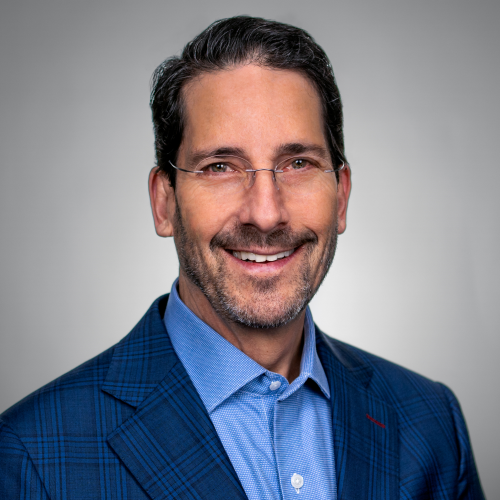
The Meyer L. Bodoff Memorial Award is presented annually at the DJCF/SWCF Professional Advisors Seminar to a professional advisor whose partnership, leadership, and commitment have made a lasting impact on the Foundation. We are proud to present this year’s award to Rusty Cooper in recognition of his extraordinary service and contributions.
Throughout his distinguished career, Rusty Cooper has been a steadfast leader, trusted advisor, and passionate advocate for the community. His dedicated service as past Chair of the Board, former Chair of the Investment Committee, Life Trustee, and Investment Committee, has helped strengthen the Foundation’s stewardship of charitable assets and advance its mission of serving donors and the community.
Drawing on decades of expertise in investment management and financial planning, Rusty provided thoughtful leadership and strategic guidance during periods of growth and transformation. During his 42-year career with Morgan Stanley, including his role as Executive Director and leader of the Dallas Consulting Group, he earned a reputation for excellence, integrity, an unwavering commitment to helping individuals, families, and organizations achieve their long-term goals.
As Rusty says, he’s not retiring, he’s rewiring. Rusty leaves a remarkable professional legacy and is turning his attention toward his family, faith, community, music, and travel. His wisdom, generosity, and dedication have helped shape the Foundation’s success, and we are deeply grateful for his decades of continuous leadership. It is with great appreciation and admiration that we honor Rusty Cooper as the recipient of the 2026 Meyer L. Bodoff Memorial Award.
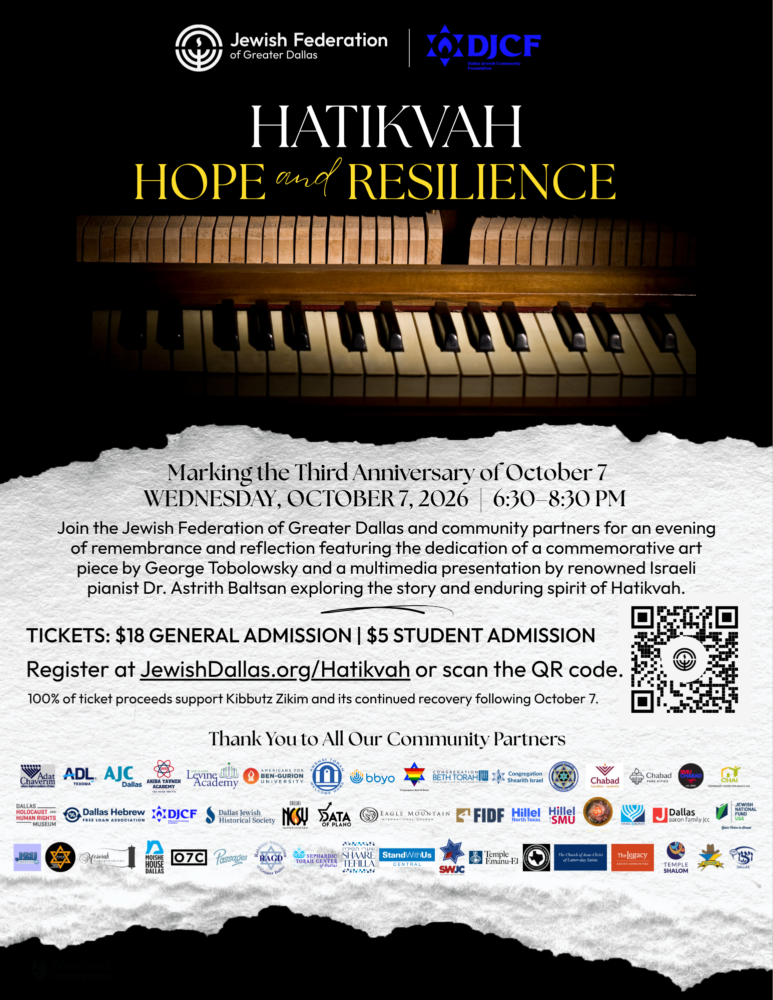
October 7 Commemoration
As a proud community partner, the Dallas Jewish Community Foundation invites you to join the Jewish Federation of Greater Dallas and fellow community organizations on October 7 for an evening of remembrance, reflection, and hope marking the third anniversary of October 7. The program will feature a multimedia presentation by renowned Israeli pianist Dr. Astrith Baltsan exploring the enduring spirit of Hatikvah, as well as the dedication of a commemorative art piece by George Tobolowsky. Proceeds from the event will support Kibbutz Zikim and its continued recovery. Please click the image below to register.
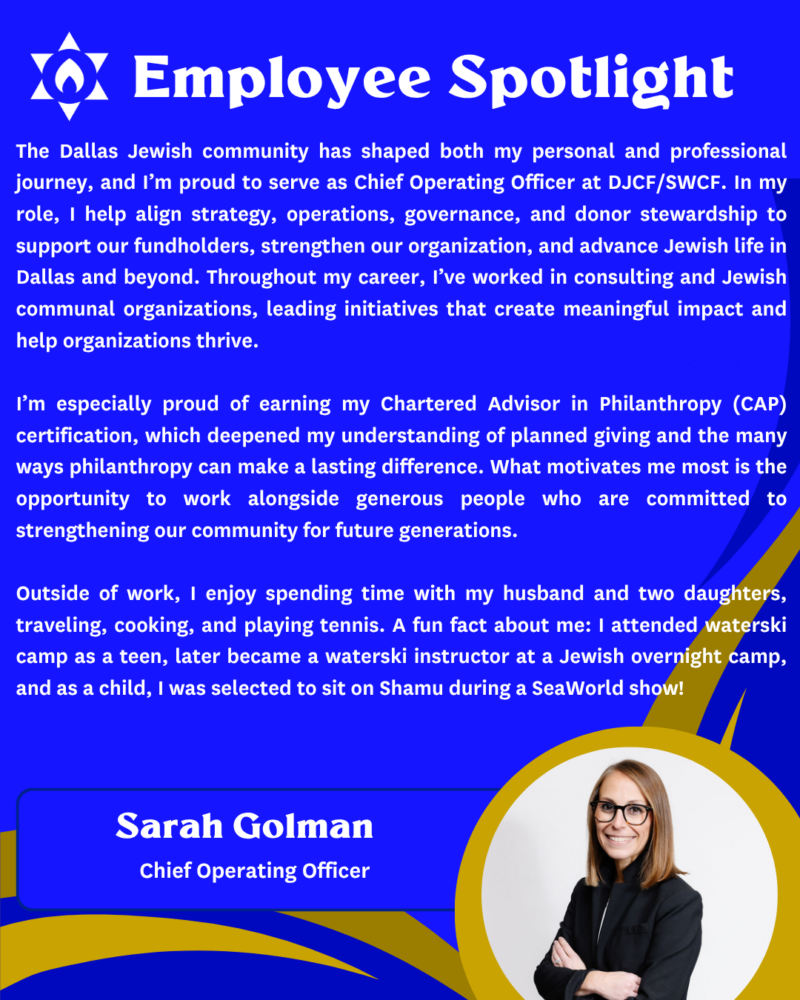
Employee Spotlight: Sarah Golman
Philanthropy Insights: Supporting the Next Chapter of PJ Library
The DJCF team was saddened to learn of the passing of musician, philanthropist, and American icon Dolly Parton. In 1995, she launched the Imagination Library, a program that provides children with a free book every month. Today, more than 3 million books are mailed to children worldwide each month.
Dolly’s vision inspired Harold Grinspoon to establish PJ Library in 2005. The program now distributes more than 7 million high-quality Jewish children’s books annually, helping families explore, celebrate, and connect with Jewish life and values.
In 2025, with a seed gift from the Mankoff Family Foundation, the Jewish Federation of Greater Dallas established the PJ Library Endowment Fund at the Dallas Jewish Community Foundation. With a goal of raising $3 million, the fund will help secure the long-term future of this vital program in our community.
To learn more and make a gift, visit: PJ Library – Jewish Dallas
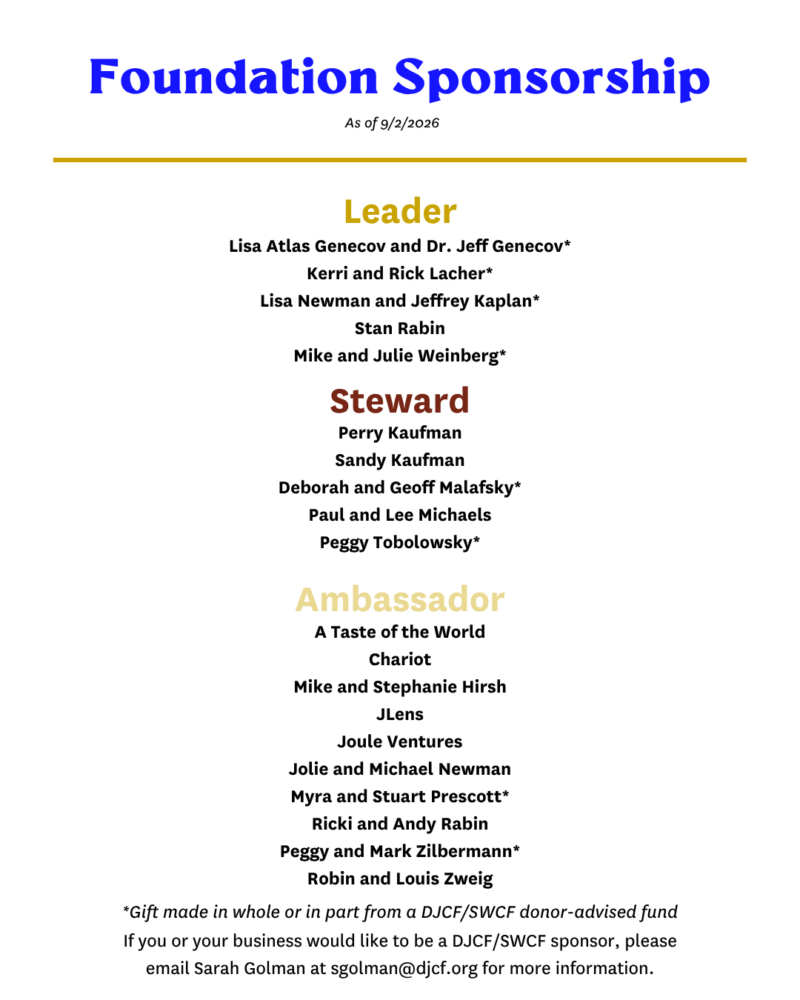
Foundation Sponsorships
We are deeply grateful to our sponsors for their generous support and commitment to the work of DJCF/SWCF. Their partnership enables us to strengthen our community and expand our impact. We are honored to foster a community of philanthropists who share our vision and values, and we thank them for helping make our mission possible.
If you’re interested in supporting our work or learning more about sponsorship opportunities, we’d love to hear from you. Please reach out to Sarah Golman, Chief Operating Officer, at [email protected] to explore ways to partner with DJCF/SWCF and make a meaningful impact in our community.
Social Media
Follow us on social media to get the latest updates, stories, and a behind-the-scenes look at what we do. Join our growing community and be the first to know what’s new! Click on the links below to follow us.